Separate use-of-force incident
The federal case concerned conduct on Treehaven Road—not the 2006 encounter in which Cariol intervened.
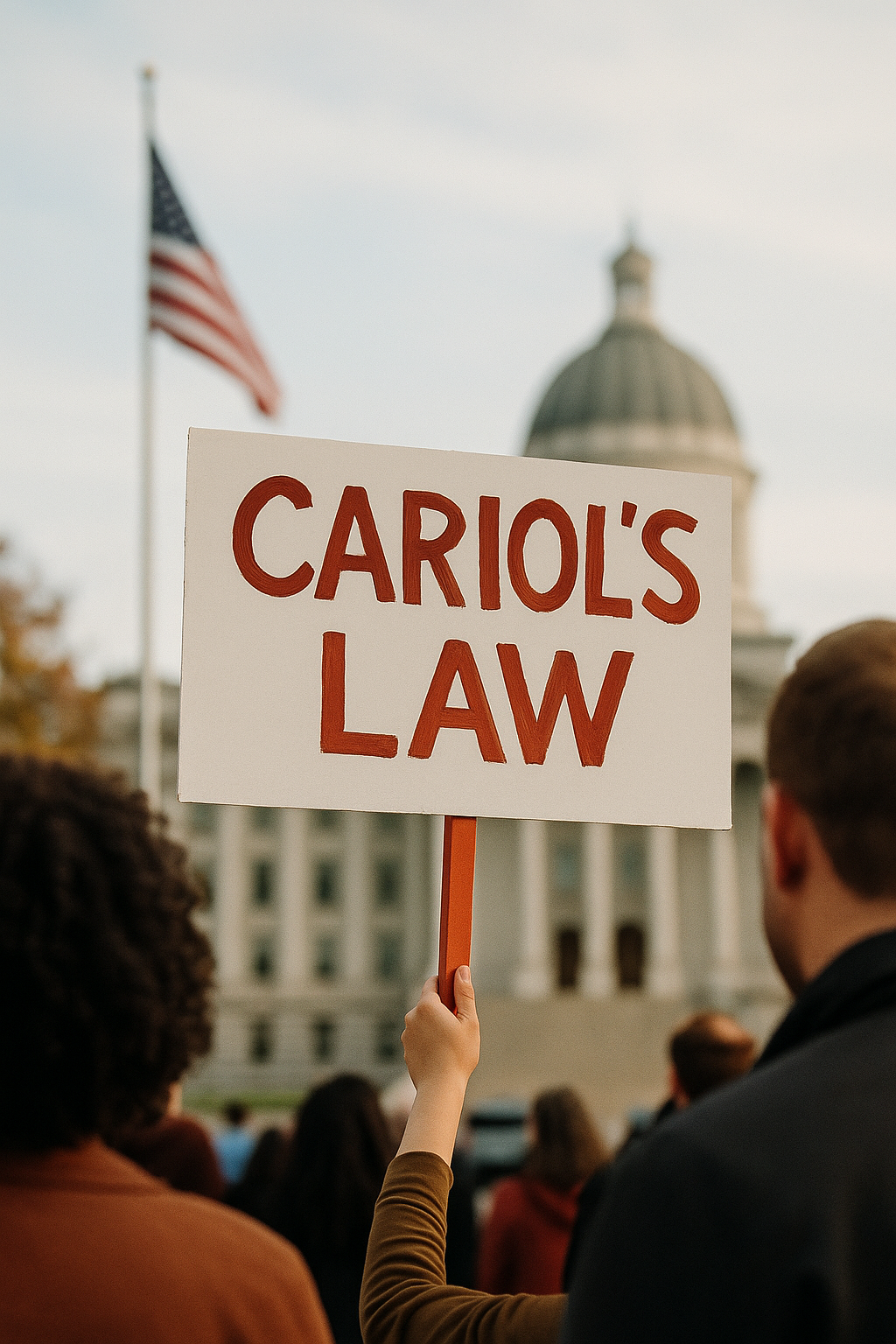
Cariol Horne intervened when another officer used excessive force. She paid a devastating price—and turned that injustice into a law built to protect lives and the officers brave enough to act.
One decision. Fifteen years of consequences. A law that changed the standard.
In 2006, Officer Cariol Horne stepped in when she saw a fellow Buffalo officer applying excessive force to a handcuffed Black man. Instead of being protected for intervening, she was punished and ultimately fired just short of a full pension.
She did not disappear. Cariol fought for her name, her livelihood, and a clear duty for officers to stop abuse. In 2020, Buffalo enacted Cariol’s Law. In 2021, a New York court vacated her termination and restored back pay and benefits.
Read the court decisionBefore Nolan Wells. Before Karmelo Anthony. Before George Floyd.
I tried to warn of the cover-ups.— Cariol Horne
Different incident. Documented conviction.
Gregory Kwiatkowski’s federal conviction did not arise from Cariol’s 2006 intervention. It arose from a separate May 2009 incident involving four teenagers, ages 16 to 18, who were already compliant and under police control.
According to the U.S. Department of Justice, Kwiatkowski admitted using unlawful, unreasonable, and excessive force by forcibly pushing the teenagers’ heads and upper torsos into a vehicle. He was convicted of deprivation of rights under color of law.
The federal case concerned conduct on Treehaven Road—not the 2006 encounter in which Cariol intervened.
Four months in prison, followed by one year of supervised release that included four months of home detention.
The Justice Department’s public record identifies the offense and the admitted excessive force.
Intervention, prosecution, and continuing dispute.
On Christmas night during Buffalo’s deadly 2022 blizzard, Cariol encountered two women handcuffed and seated on the snow-covered ground while police investigated suspected stolen merchandise.
Cariol said she asked officers to remove the women from the snow and ice. Prosecutors alleged that she refused commands to leave, interfered with the investigation, and struck an officer once in the chest.
Cariol publicly said seeing handcuffed people seated on the frozen ground was triggering and that she approached because she believed they needed to be moved out of the dangerous conditions.
The Erie County District Attorney’s account states that Cariol continued arguing, refused commands to leave, pointed in an officer’s face, and struck the officer once in the chest.
Second-degree obstruction of governmental administration after a six-day jury trial and roughly 90 minutes of deliberation.
The jury found Cariol not guilty of second-degree harassment. The judge dismissed the disorderly-conduct count.
Judge Tiffany R. Perry imposed a one-year conditional discharge and ordered 50 hours of community service.
This 2025 conviction did not erase the 2021 court decision vacating Cariol’s earlier termination, and it did not repeal Buffalo’s Cariol’s Law. It arose from a separate 2022 incident. The facts, purpose of her intervention, and legal outcome should be presented together—not reduced to a headline.
Reported by WKBW News Staff at 1:00 p.m. on October 6, 2025, citing the Erie County District Attorney’s Office.
A duty-to-intervene law must do more than sound good. It must require action, protect truth-tellers, and make accountability real.
Officers must act when they reasonably believe another officer is using unnecessary or excessive force.
Intervention without honest reporting leaves the same system intact. Documentation and disclosure matter.
Officers who stop misconduct need enforceable protection from punishment, isolation, and career destruction.
A rule without consequences is a suggestion. Public trust requires transparent enforcement.
Assembly Bill A4735A was amended. The current Assembly version is A4735B, paired with Senate Bill S1403A, in the 2025–2026 legislative session.
Assembly sponsor: Monique Chandler-Waterman
Senate sponsor: James Sanders Jr.
The statewide bill would require an on-duty police officer or peace officer who has a realistic opportunity to act safely to intervene when another officer’s force is clearly excessive or beyond what is objectively reasonable.
Creates an affirmative duty to stop excessive force when an officer is present and has a realistic opportunity to intervene safely.
Requires a formal complaint to the department chief. Failure to report could result in discipline, including termination.
Allows criminal, employment, or civil consequences when the bill’s legal requirements are met; death or serious injury cases would be referred to the district attorney.
Adds whistleblower protection under Labor Law §740 and includes retroactive protection for qualifying officers terminated within the prior 20 years.
Buffalo’s local Cariol’s Law was enacted in 2020. This separate state proposal would extend a duty-to-intervene framework across New York. A bill is not law unless it passes both houses and is signed by the governor, or becomes law through the constitutional process.
“The time is always right to do right.”
— Dr. Martin Luther King Jr., quoted by Justice Dennis E. Ward in the 2021 decision
Cariol brings lived experience, hard-earned strategy, and an unfiltered voice to conversations about policing, retaliation, trauma, public accountability, and standing up when it costs.
Keynotes, panels, classrooms, community forums, and leadership conversations.
Duty-to-intervene policy, whistleblower protection, police accountability, and justice reform.
Books, commentary, testimony, and the lived history behind Cariol’s Law.
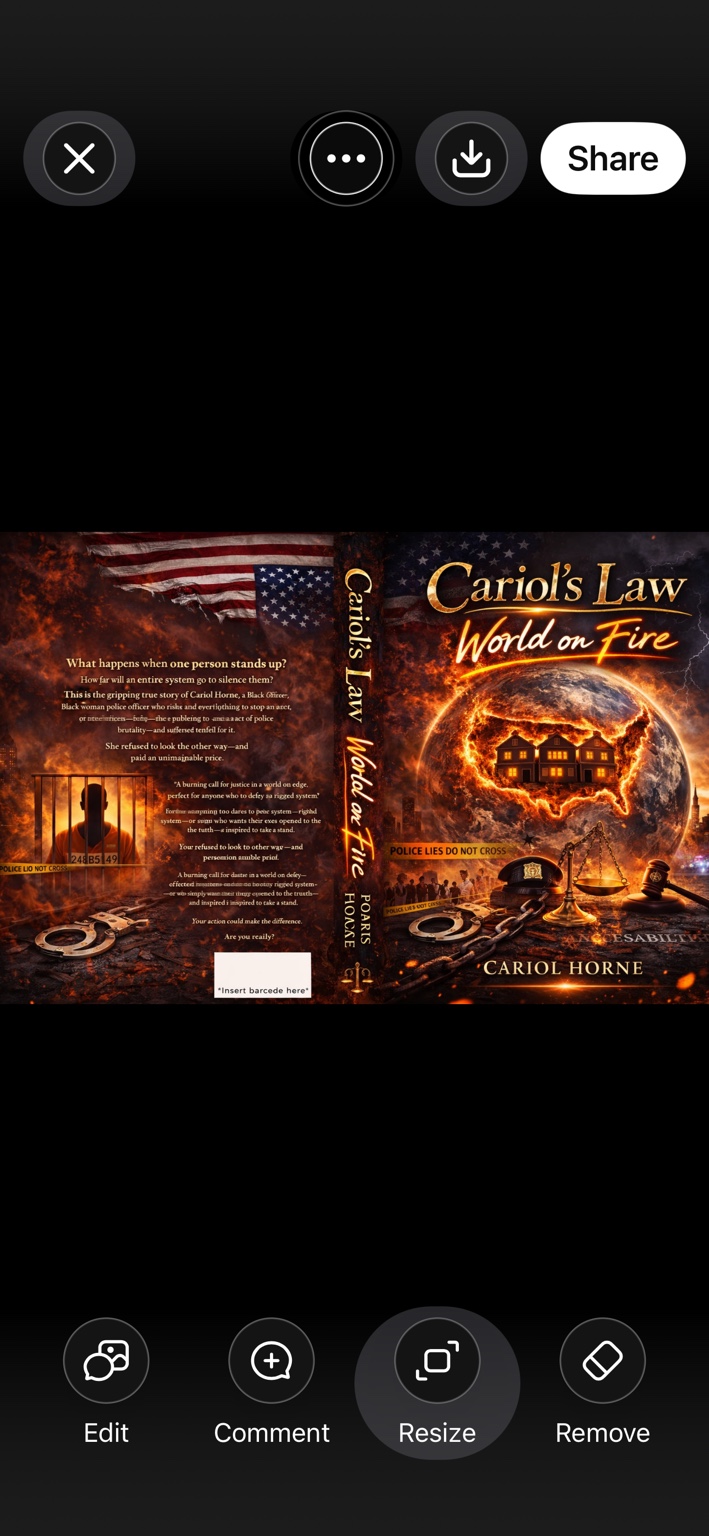
A new book by Cariol Horne. Presale, release, and delivery details will be announced here.
Secure payment will be available on this page.Author · Father · A future larger than a sentence
Devin Horne writes about life, incarceration, growth, and the fight for justice. This section will hold his books, case updates, accomplishments, and ways the public can stand with him.

Devin’s story in his own words—written from inside a system that sentenced him while he was still a teenager.
Financial support and secure book checkout will be added after the payment account and prices are confirmed.
News, books, advocacy, and support
This section will carry news about Cariol’s Law, World on Fire, Devin’s books, case developments, and support efforts.
Check back here for the official signup and announcements.
Service. Vindication. Leadership.
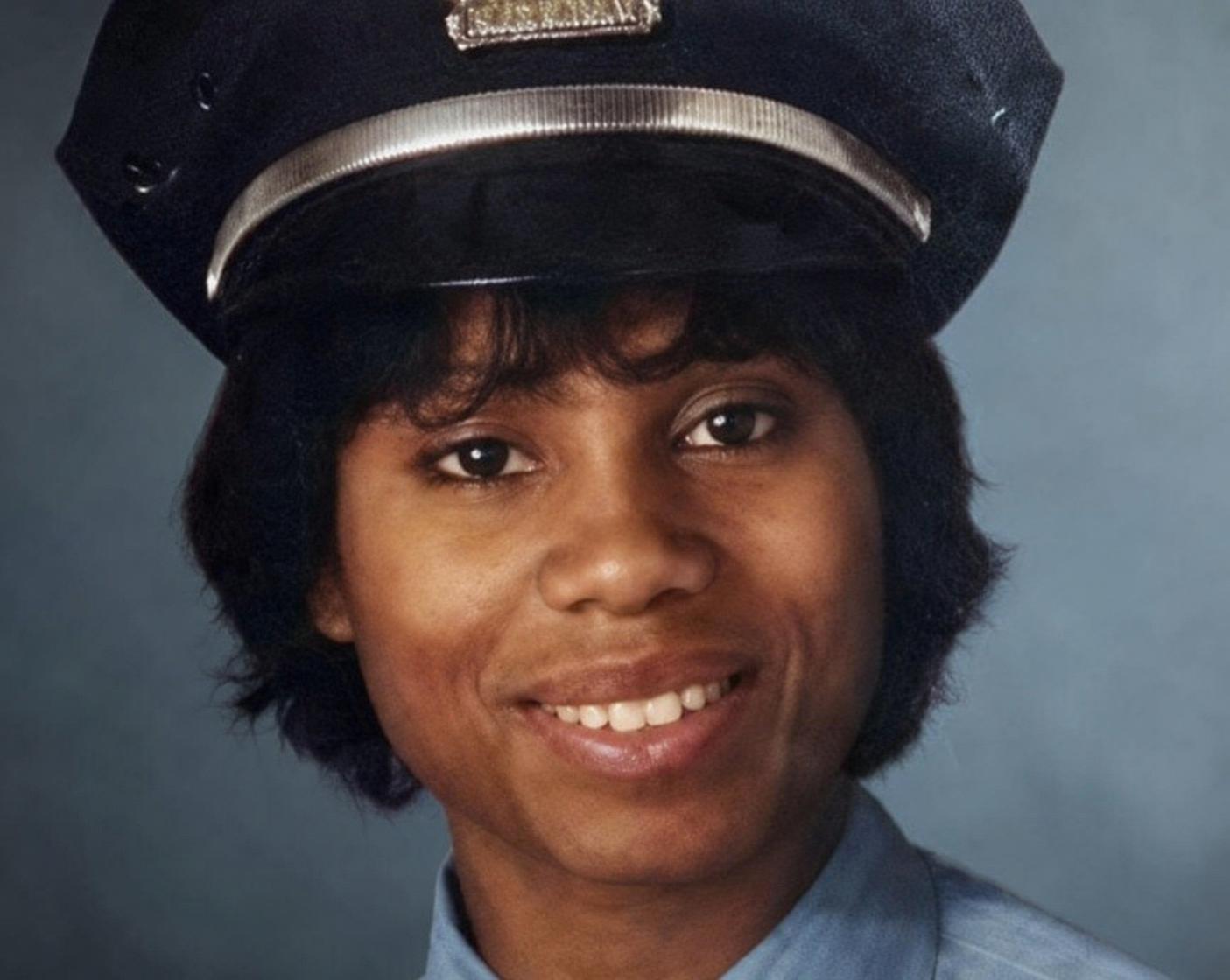
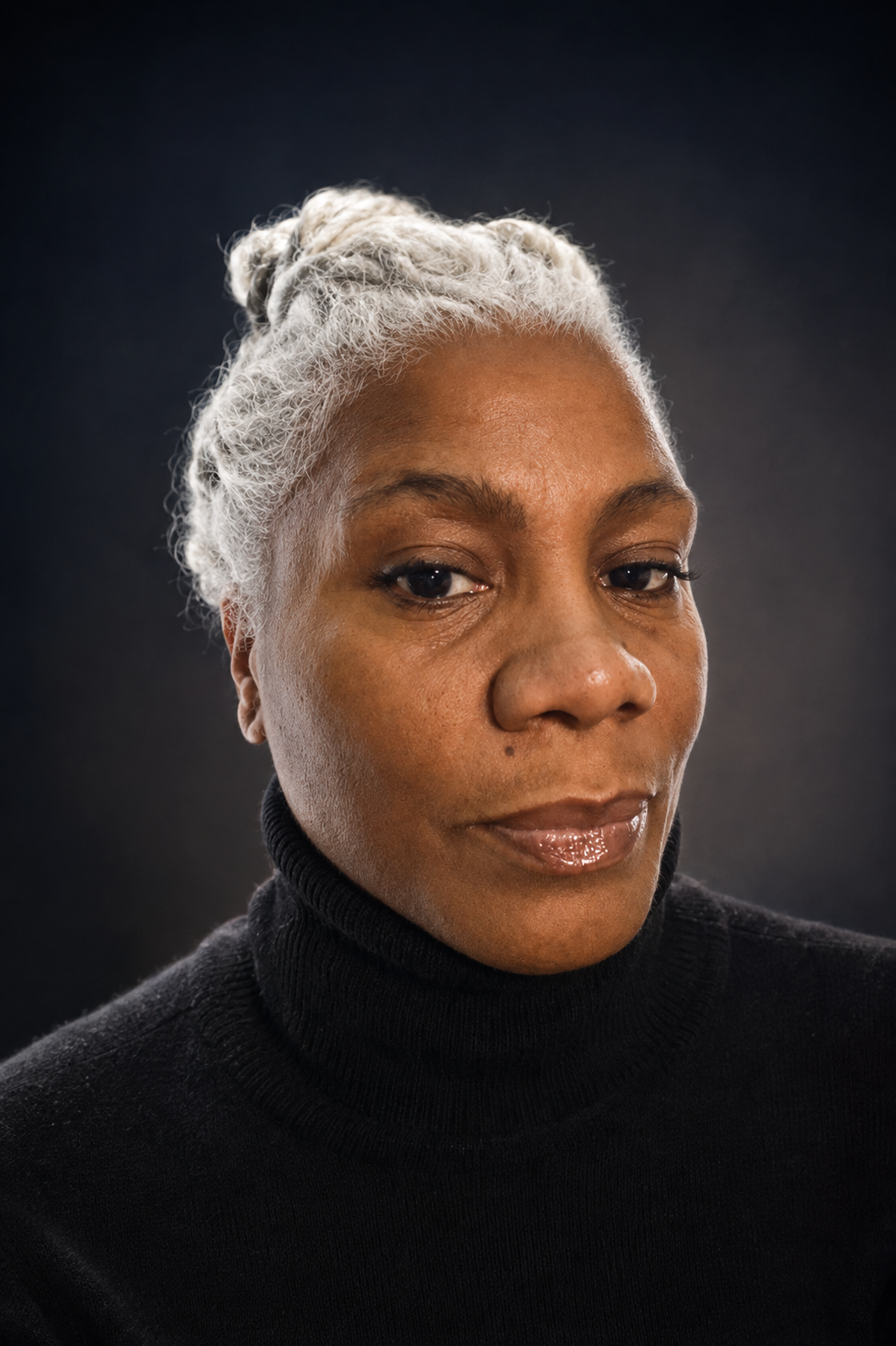
From Buffalo police officer to nationally recognized truth-teller and advocate, Cariol’s public work has always centered the duty to protect people.




Open to all · August 27, 2026
Building solutions. Creating change. Investing in our youth. A community collaboration between Faces of the Felony Murder Law, Prisoners’ Brain Trust, and Black Lives Matter Grassroots Buffalo Chapter.
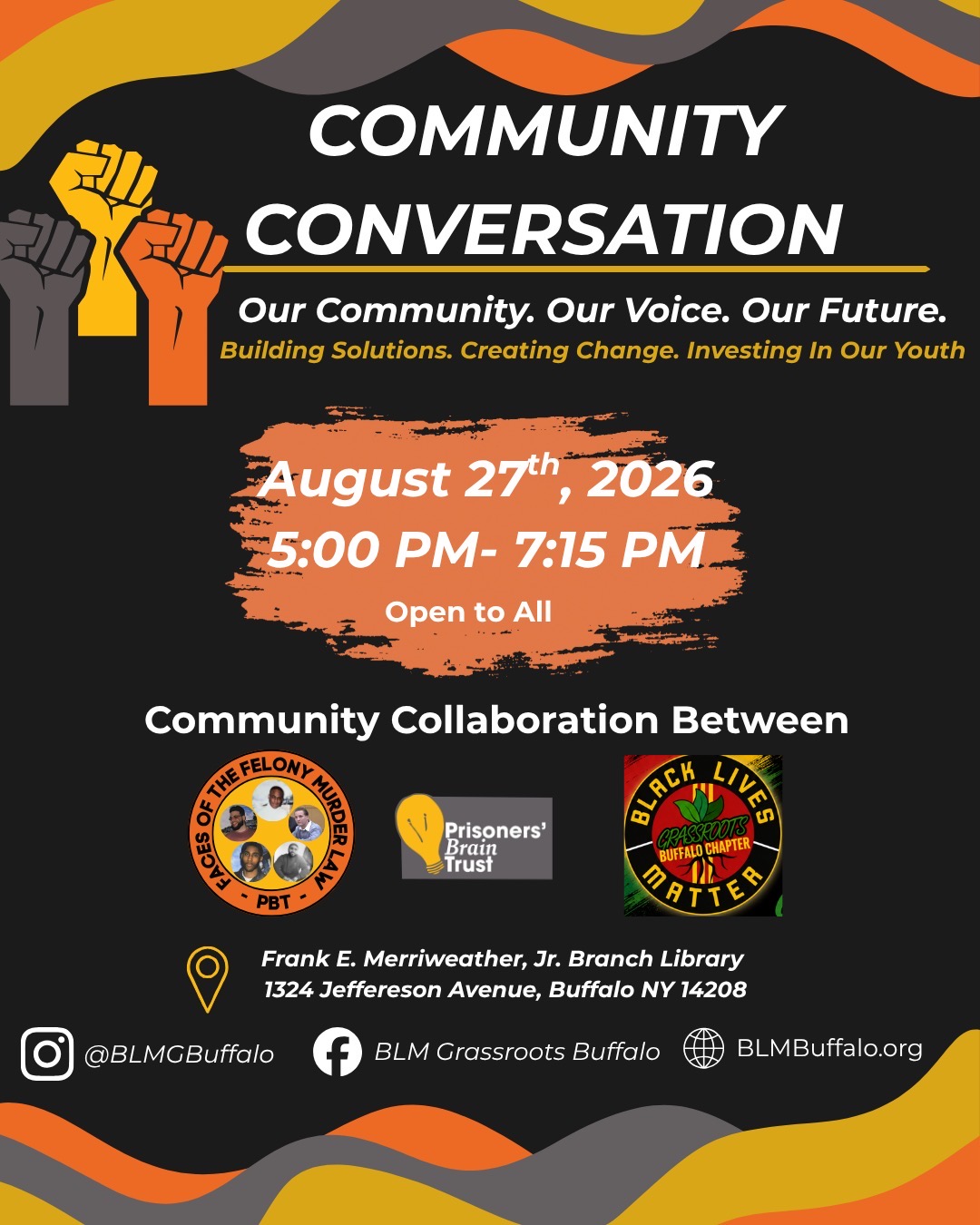 Open full flyer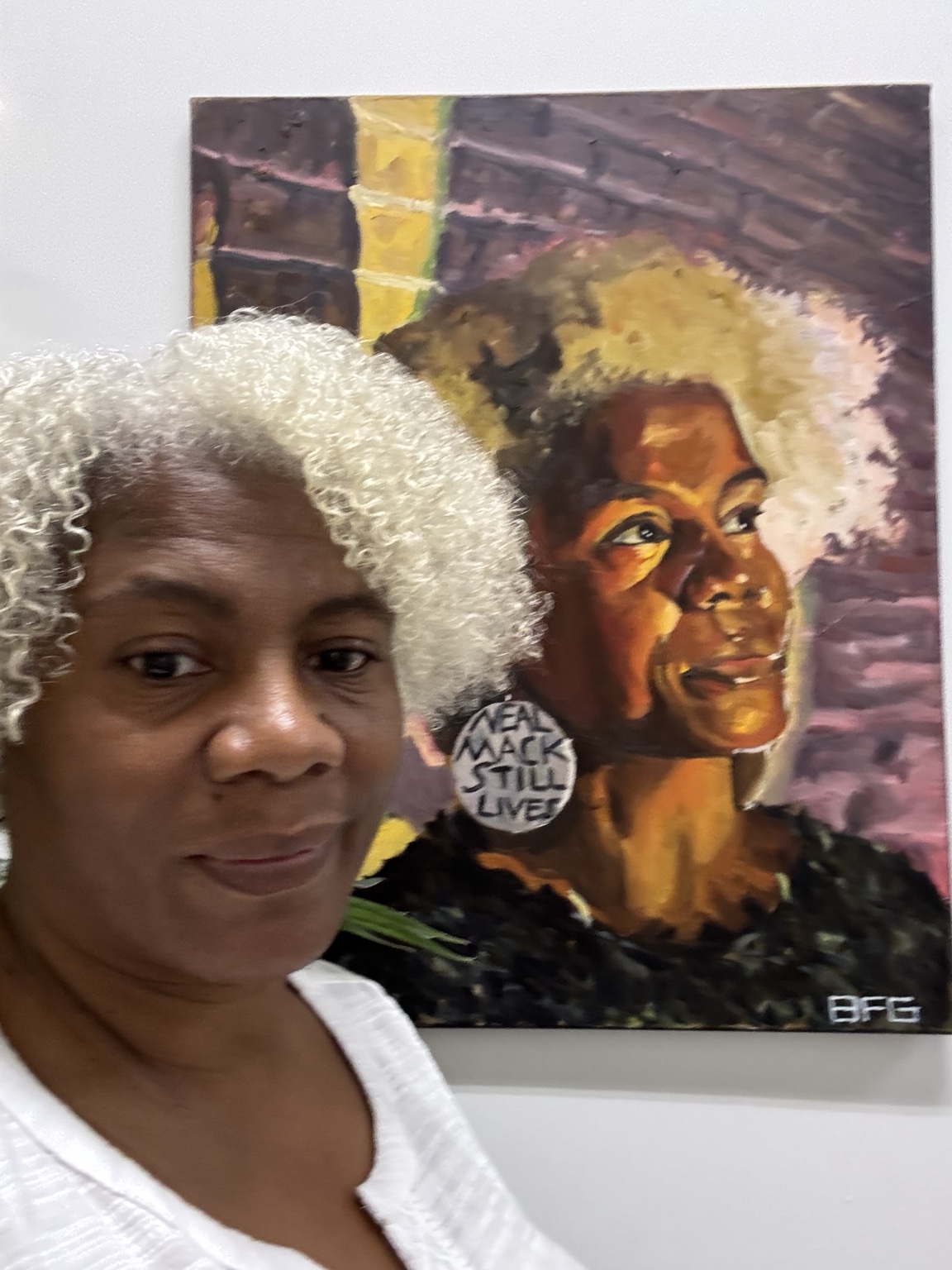
Community work is where truth becomes action.
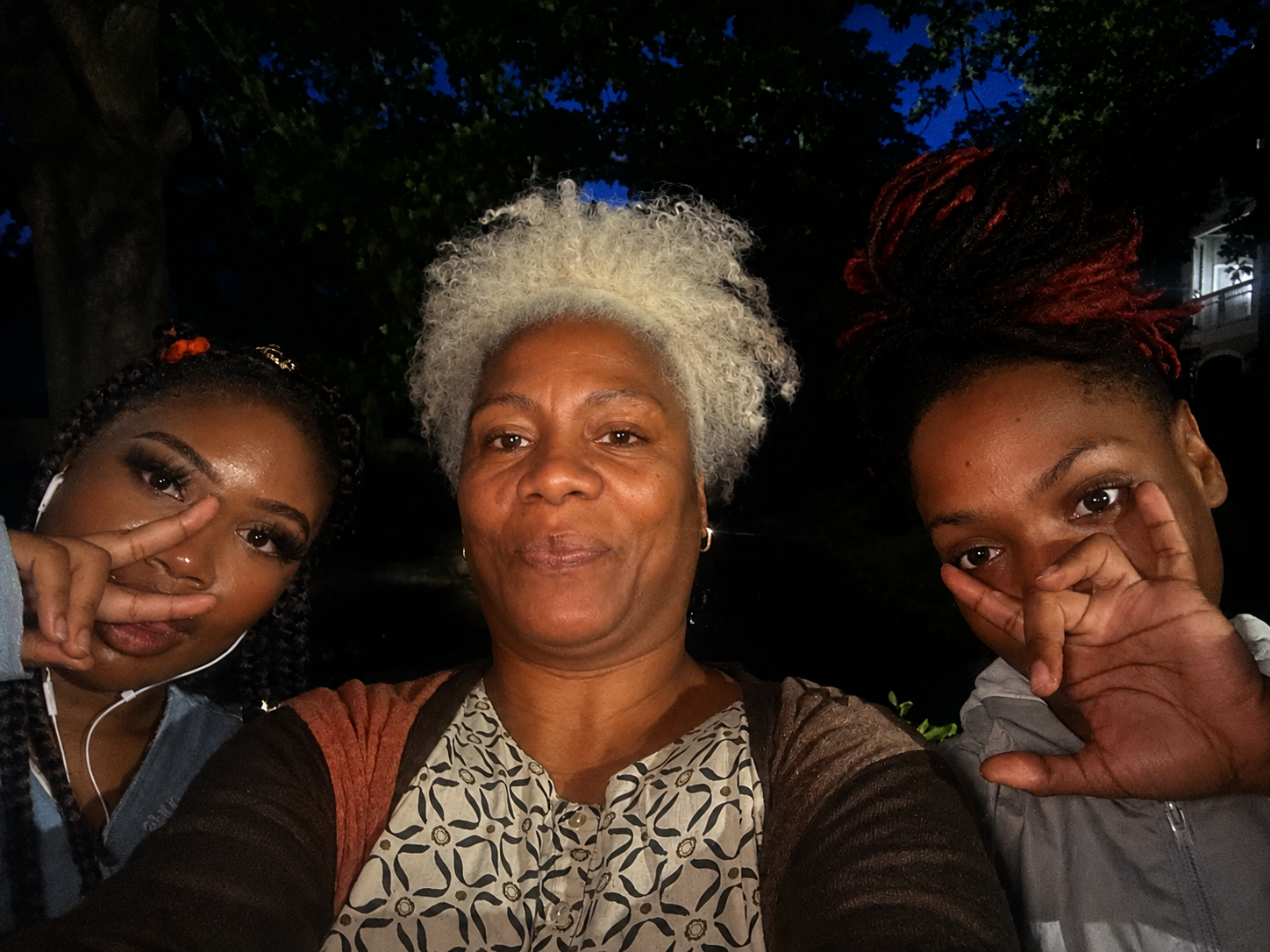

Courage recognized. Truth amplified.
Cariol’s intervention, long fight for justice, and continuing work for police accountability have been recognized by national organizations, community leaders, legal institutions, and the press.
Ridenhour Prizes
Sister Karen Klimczak Center for Nonviolence
National Organization of Black Law Enforcement Executives
How the legal team revived the case and secured the 2021 ruling.
Read story WIVB News 4 · 2021Cariol discusses the nearly 15-year fight and the work still ahead.
Read story WGRZ-TV · Video · 1:10Video coverage from the 2022 nonviolence awards.
Watch video CBS Mornings · Video · 4:32National coverage following the ruling restoring Cariol’s back pay and benefits.
Watch video New York Courts · Primary sourceThe official April 13, 2021 decision vacating Cariol’s termination.
Read decision WBUR / Here & Now · Audio · April 14, 2021Cariol joins the national public-radio program to discuss her court victory, her intervention, and police accountability.
Listen to interview Reference profileAn overview of her police career, Cariol’s Law, and the restoration of benefits.
View profileFor speaking invitations, interviews, partnerships, and advocacy work, connect with Cariol through her public pages.
Visit Cariol’s Official Website Request Cariol to speak